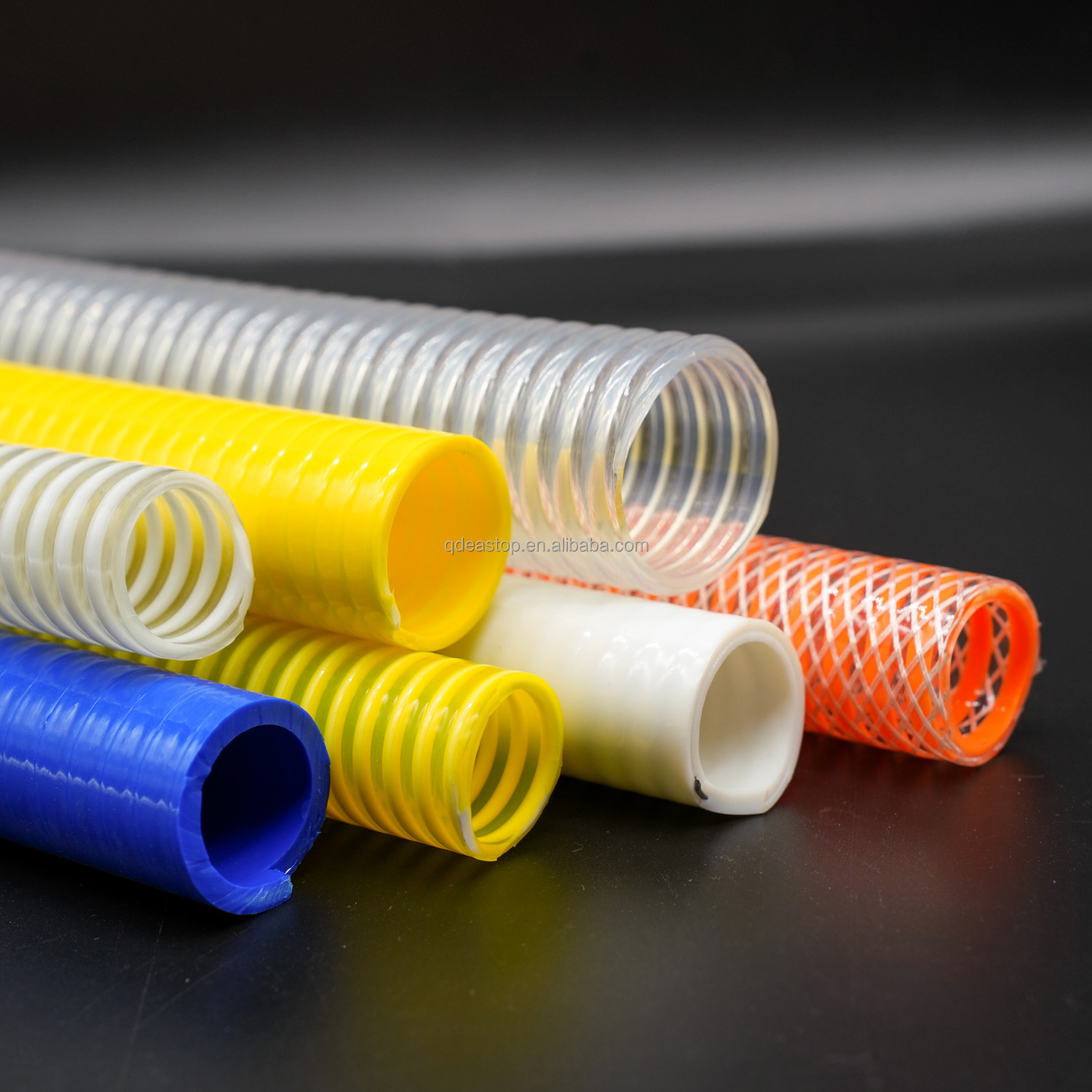
The PVC suction hose serves as a versatile and essential component across a wide range of industries, including agriculture, construction, chemical handling, and wastewater management. Its widespread use is attributed to its optimal balance of durability, flexibility, and cost-effectiveness. However, the term “PVC suction hose” encompasses a broad product category, and selecting the appropriate one requires careful consideration rather than a universal solution. An incorrect choice can result in premature failure, operational inefficiency, safety risks, and increased long-term expenses. This guide offers a structured framework for choosing the most suitable PVC suction hose, ensuring reliable performance, safety, and value. 1. Define Core Application ParaThe selection process begins with a clear understanding of the specific task. Several critical parameters must be identified.First, accurately determine the material to be conveyed. Whether it is water, chemical solutions, fertilizers, fuels, oils, abrasive slurries, or wastewater, the chemical compatibility between the hose’s inner lining and the medium is paramount. Next, establish the temperature range for both the material and the operating environment. PVC materials have specific thermal limits, and exceeding these can lead to hardening, cracking, or softening. Additionally, determine the system’s working pressure and required suction level (vacuum), as hoses are rated for specific positive and negative pressure ranges. Operating outside these ratings risks collapse or bursting. Flow requirements should also be considered, as they influence the optimal inner diameter. An undersized hose causes friction loss and reduced efficiency, while an oversized one is unnecessarily bulky and costly.2. Evaluate Construction and Material Properties Once application requirements are understood, the next step is matching them with the appropriate hose construction and material properties.PVC Material and Reinforcement are central considerations. Not all PVC is the same; its base polymer is compounded with various additives to achieve specific properties. For instance, standard PVC is suitable for general water transfer and mild media; oil-resistant PVC is essential for handling fuels, lubricants, and hydraulic oils; food-grade materials are required for potable water or food handling to comply with relevant regulations; and specialized wear-resistant compounds are necessary for conveying abrasive slurries like sand and gravel. Reinforcement determines the hose’s pressure and vacuum resistance. Common types include textile braids (polyester or aramid), which offer good flexibility and medium pressure resistance, and helical steel wires (embedded or external), which provide exceptional crush resistance and maintain shape under high vacuum, making them crucial for heavy-duty suction applications such as dredging or deep-well pumping.Furthermore, the inner lining and outer cover require attention. The inner lining should be smooth to minimize friction loss and resistant to the conveyed medium, while the outer cover protects the reinforcement from external damage, abrasion, weathering, and UV degradation. For harsh working conditions, a cover with high tear and abrasion resistance is essential. Balancing diameter, length, and flexibility is also critical: the inner diameter should ensure efficient flow, the length should be sufficient but not excessive to avoid increased friction, and flexibility affects maneuverability, with higher reinforcement levels typically reducing flexibility. Finally, the reliability of fittings and connections should not be overlooked. Ensure end fittings are compatible with equipment, made of suitable materials, and securely installed, as poor connections are a common failure point.3. Consider Operational Environment and Special Requirements The operating environment is equally important. For indoor versus outdoor use, constant exposure to sunlight requires UV-stabilized PVC to prevent degradation and cracking, while extreme cold environments necessitate hoses rated for low-temperature flexibility. Depending on static versus dynamic applications, frequent dragging or movement demands hoses with superior abrasion resistance, a robust outer cover, and excellent flex fatigue resistance. Certain industries also require compliance with specific regulatory and safety standards, such as FDA, EC 1935/2004 for food and beverage, NSF/ANSI 61 for potable water, and anti-static or flame-retardant properties (e.g., DIN/EN 12115) for mining or other demanding environments. When making a decision, consider the total cost of ownership rather than just the initial purchase price, factoring in durability, maintenance needs, expected lifespan, and downtime costs. Often, a more durable, longer-lasting hose, though slightly more expensive, offers a lower total cost of ownership.4. Practical Selection Workflow The selection process can follow these steps:First, define specifications by documenting all application parameters. Next, create a shortlist by reviewing manufacturer catalogs or consulting suppliers to identify products meeting or exceeding the specifications, paying close attention to chemical compatibility charts. Then, refine the selection by applying environmental and operational constraints. After that, compare and evaluate 2–3 options that pass the filters based on total cost of ownership, availability, and brand reputation. Finally, for critical applications, request samples to test flexibility, fitting compatibility, and overall handling.Selecting the right PVC suction hose is a systematic process of aligning technical specifications with application requirements. It requires moving beyond generic labels and delving into the details of material compounds, reinforcement structures, and manufacturing processes. By carefully defining the “conveyance needs” and understanding the “product construction,” users can make informed decisions. This prudent selection not only ensures the successful completion of tasks but also enhances workplace safety, maximizes operational efficiency, and ultimately delivers the greatest long-term value. A well-chosen hose is not merely a tool but a reliable and integral component of a smoothly operating system.